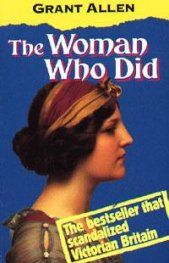
The Woman Who Did
Автор: Grand Allen
| Издател | Oxford University Pr |
| Брой страници | 150 |
| Година на издаване | 2000 |
| Корици | меки |
| Език | английски |
| Тегло | 128 грама |
| ISBN | 0192823124 |
| Баркод | 0192823124 |
| Категории | на английски език, Художествена литература на чужди езици, Художествена литература, Книги |
The Woman Who Did was the most notorious of the so-called `New Woman` novel of the 1890s, fiction inspired by contemporary debates about women`s education, family life, and sexual independence.
Hermina Barton, Cambridge-educated daughter of the Dean of Dunwich, is more determined than most to arrange her own life. She accordingly enters into a relationship outside marriage with one of her own `free and advanced` kind, the lawyer Alan Merrick. The consequences of that decision test her resolve to the very limit. Grand Allen’s account of a life which flies in the face of convention has remained a topic of fierce controversy ever since.
www.chriswillis.freeserve.co.uk/grantallen.htm
www.ehlt.flinders.edu.au/english/GA/GAHome.htm
Все още няма мнения за тази книга.
Напиши коментарЩе бъдат допускани само мнения свързани с конкретния продукт или автор.
Ще бъдат изтривани мнения:
- Съдържащи обидно или нецензурно съдържание
- Написани само с главни букви
- Написани на латиница
- Съдържащи препратки към други сайтове.
Други въпроси и мнения моля, изпращайте на [email protected]